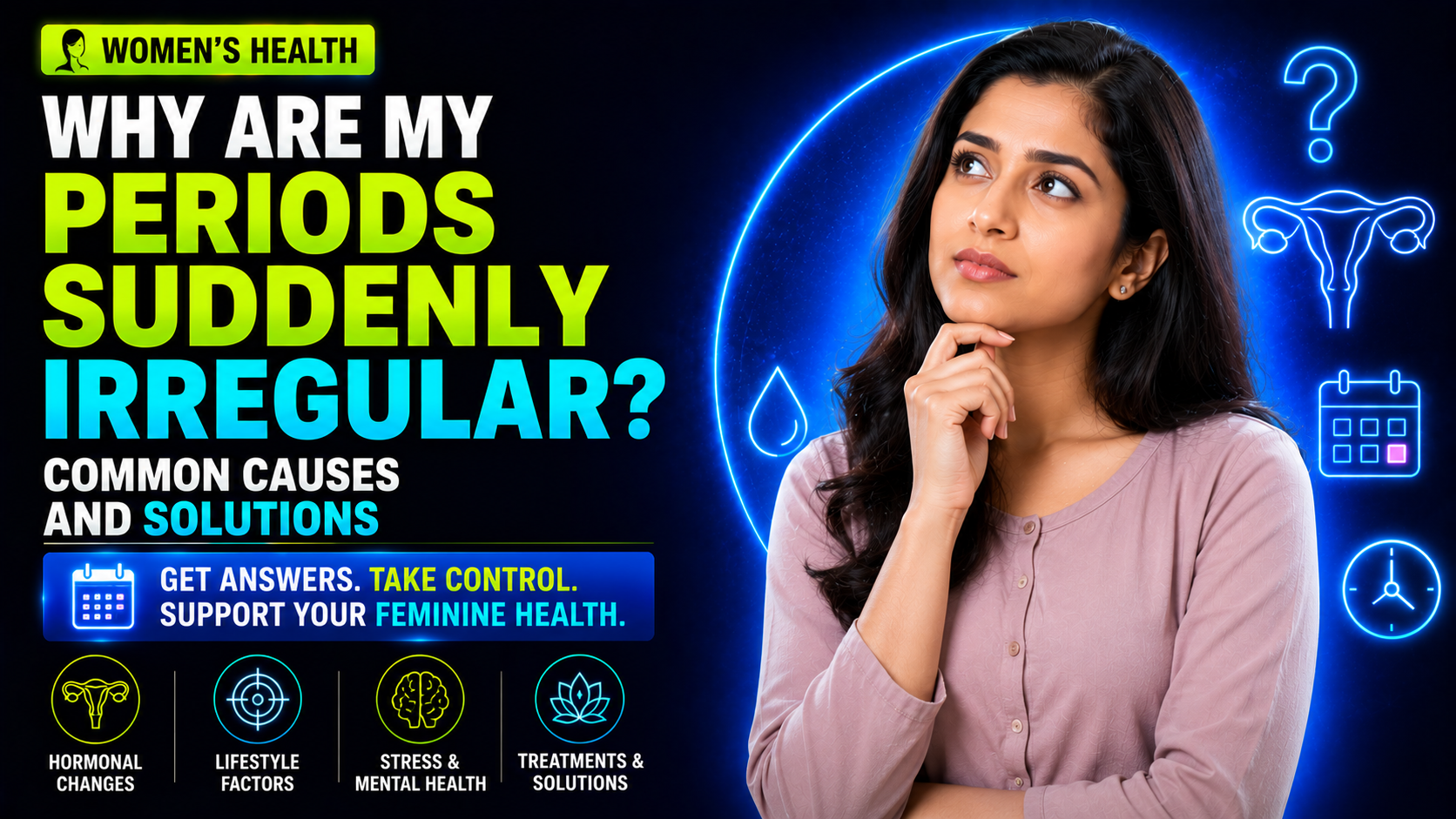
Hormonal Imbalance in Women: Signs Causes and Treatment Options

Your Body Is Always Talking To You Through Hormones
Tired all the time. Mood swings out of nowhere. Skin acting up even though nothing changed in your routine. Periods that feel off. A lot of women go through these things and just brush it off as a bad week or stress. But sometimes what's actually going on underneath is a hormonal imbalance.
Hormones control way more than people realise. They affect your mood your weight your skin your sleep and even how hungry you feel. So when they go out of balance it shows up in more places than just your periods.
This blog breaks down what hormonal imbalance actually looks like why it happens and what can actually help.
What Does Hormonal Imbalance Even Mean
Your body runs on a delicate system of hormones like oestrogen progesterone testosterone insulin thyroid hormones and cortisol. These work together like a team. When one hormone goes too high or too low it throws off the balance of the others too.
This is what doctors call hormonal imbalance. It's not one specific disease. It's more like a sign that something in your system needs attention.
Common Signs Your Hormones Might Be Off
Hormonal imbalance doesn't always show up the same way for every woman. Some signs are obvious. Others get ignored for years because they seem unrelated.
Period related signs
Periods that are heavier or lighter than usual
Periods that skip or come at random times
Severe cramps that didn't used to be this bad
Spotting between periods
Skin and hair related signs
Sudden acne especially around the jawline and chin
Hair thinning or noticeable hair fall
Extra hair growth on the face or body
Dry or unusually oily skin
Body related signs
Weight gain that doesn't match your diet or activity
Difficulty losing weight no matter what you try
Constant tiredness even after sleeping enough
Bloating that doesn't go away
Mood related signs
Mood swings that feel bigger than usual
Increased anxiety or irritability
Trouble sleeping at night
Low energy and low motivation
If a few of these sound familiar at the same time it's a stronger sign that hormones could be behind it rather than just one random symptom on its own.
What Actually Causes Hormonal Imbalance
There isn't one single cause. A bunch of different things can throw your hormones off track.
PCOS
Polycystic ovary syndrome is one of the most common causes of hormonal imbalance in women. It affects ovulation and often leads to irregular periods acne and extra hair growth.
Thyroid Problems
Your thyroid controls your metabolism mood and energy levels. Both an underactive and overactive thyroid can throw your whole hormonal system off balance.
Stress
Chronic stress raises cortisol levels which can disrupt the balance of other hormones including the ones that control your cycle.
Poor Sleep
Hormones are produced and regulated during sleep. Constant poor sleep messes with this process more than people expect.
Diet and Nutrition
Diets low in essential nutrients or high in processed food and sugar can affect insulin levels which then affects other hormones too.
Weight Changes
Both being underweight and overweight can disturb hormone production since body fat plays a role in hormone regulation.
Birth Control or Medication Changes
Starting stopping or switching hormonal birth control can cause temporary imbalance while your body adjusts.
Perimenopause and Menopause
As women approach menopause hormone levels naturally shift causing many of the same symptoms as a hormonal imbalance.
Underlying Health Conditions
Conditions like insulin resistance adrenal issues or other hormone related disorders can also be a hidden cause.
Why This Often Gets Ignored For Too Long
A lot of women normalise these symptoms. Tiredness gets blamed on a busy schedule. Mood swings get blamed on stress. Irregular periods get ignored because they're "always been like that."
The problem with ignoring it for too long is that hormonal imbalance rarely fixes itself completely on its own. Left unmanaged it can affect fertility metabolic health and long term wellbeing.
How Doctors Check For Hormonal Imbalance
A gynecologist or endocrinologist usually starts with a few simple steps.
- A detailed conversation about your symptoms cycle and lifestyle
- Blood tests to check hormone levels like oestrogen progesterone thyroid and insulin
- An ultrasound in some cases to check the ovaries
- Additional tests depending on what the initial results show
This helps pinpoint exactly which hormone is off rather than guessing based on symptoms alone.
Treatment Options That Actually Help
Lifestyle Changes First
For a lot of women small consistent changes make a noticeable difference. Better sleep regular movement and a more balanced diet often help hormones settle naturally.
Stress Management
Since cortisol affects almost every other hormone managing stress through simple daily habits can genuinely improve symptoms over time.
Dietary Adjustments
Cutting back on processed food and added sugar while increasing protein fibre and healthy fats can support better hormone balance.
Medication When Needed
For conditions like PCOS or thyroid issues doctors may prescribe specific medication to bring hormone levels back to a healthier range.
Hormonal Birth Control
In some cases doctors recommend hormonal birth control to regulate cycles and manage symptoms like acne or heavy bleeding.
Treating The Root Cause
Rather than just managing symptoms doctors usually try to treat whatever is actually causing the imbalance whether that's PCOS thyroid issues or something else entirely.
When You Should See A Doctor
It's worth getting checked if you notice:
Periods that have been irregular for several months
Sudden or unexplained weight changes
Hair loss or excessive hair growth that's new
Acne that suddenly shows up as an adult
Mood changes that feel out of character
Constant fatigue with no clear reason
Catching it early usually means simpler treatment and fewer complications down the line.
Small Habits That Support Hormonal Health
Sleeping at consistent times every night
Eating balanced meals instead of skipping or overeating
Moving your body regularly even if it's just walking
Reducing intake of sugar and heavily processed food
Finding small ways to manage daily stress
Going for regular health checkups instead of waiting for problems to show up
None of these are quick fixes but together they support your body in maintaining better balance over time.
Frequently Asked Questions
Can hormonal imbalance go away on its own?
Sometimes mild imbalances settle on their own especially if caused by temporary stress or lifestyle factors. But ongoing imbalance usually needs proper attention.
Is hormonal imbalance the same as PCOS?
No. PCOS is one specific condition that causes hormonal imbalance but there are several other causes too.
Can hormonal imbalance affect fertility?
Yes. Since hormones control ovulation an imbalance can make it harder to conceive in some cases.
Does age affect hormonal balance?
Yes. Hormones naturally shift during puberty pregnancy and menopause which can all temporarily affect balance.
Can diet alone fix hormonal imbalance?
Diet helps a lot but it isn't always enough on its own especially if there's an underlying condition like PCOS or thyroid issues involved.
Conclusion
Hormonal imbalance shows up in more ways than most women realise from skin and mood to periods and energy levels. It's easy to dismiss these signs as just having a bad week but when they keep repeating it's worth paying attention. Understanding what's actually going on inside your body is the first step towards feeling better and getting the right kind of support.