How to Reduce Cholesterol in 7 Days Without Starving Yourself
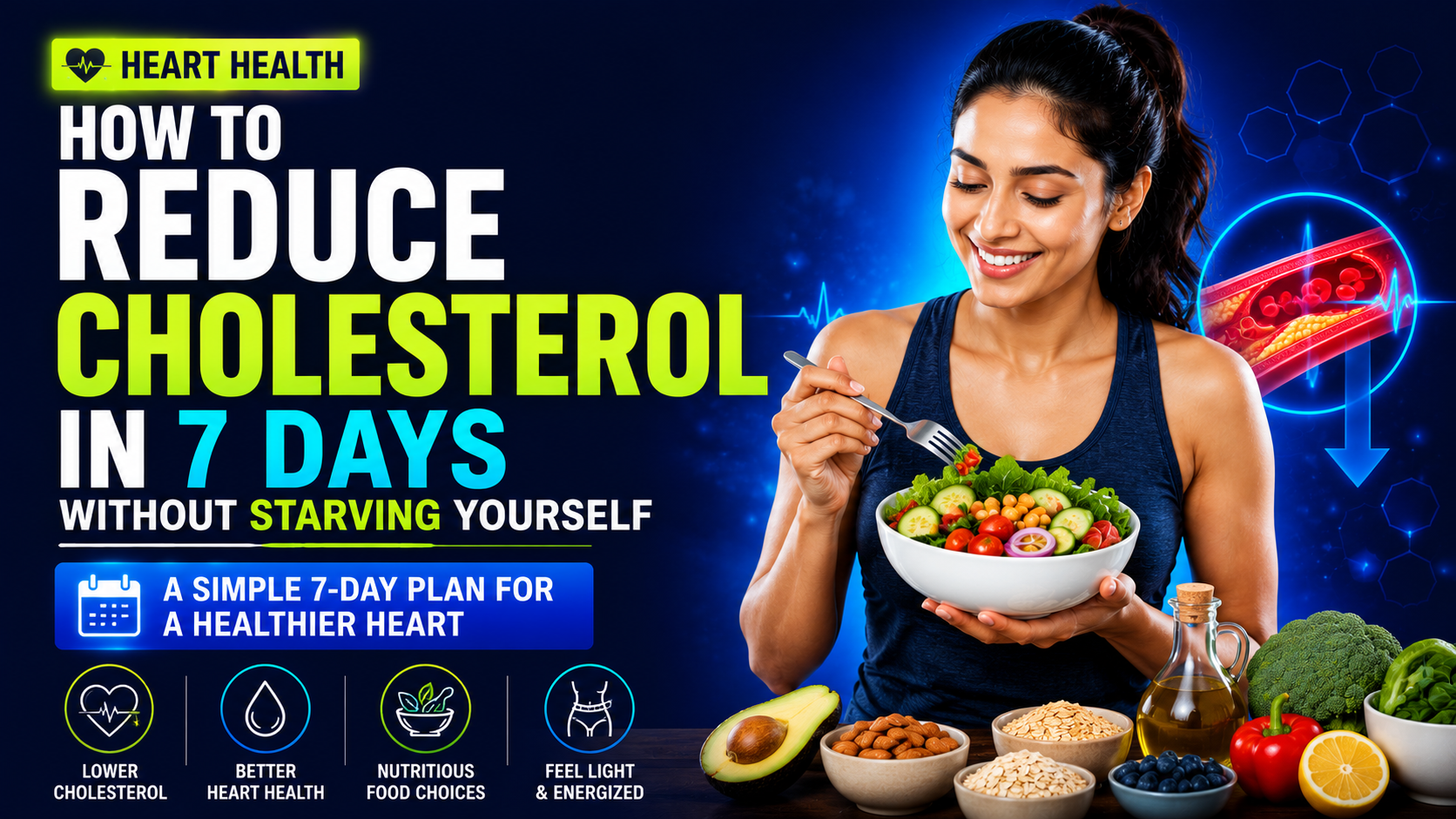
Seven days is not a lot of time. But it is enough to move your numbers. Not dramatically. Not in a way that replaces medication or medical advice. But if you have a blood test coming up or you just got results that scared you a little there are real things you can do right now that your body will respond to within a week.
Cholesterol does not behave like weight. You do not need months of slow grinding effort to see a shift. Certain foods and habits have a measurable effect in days. This guide walks through the ones that actually work and explains why each one matters so you are not just following a list blindly.
Read this the whole way through before you start. The combination of changes matters more than any single one.
What You Are Actually Trying to Change
Before anything else it helps to know what you are working with. Cholesterol is a fatty substance your body produces on its own. It also comes from food. By itself it is not bad. Your body needs it to make hormones and cell membranes. The problem is the ratio and the type.
LDL is the one most people worry about. High LDL contributes to plaque buildup in your arteries. HDL is the protective kind. It carries cholesterol away from your arteries back to your liver. Triglycerides are a third number that often gets overlooked and they respond very quickly to diet changes.
When someone says they want to reduce cholesterol they usually mean they want to bring LDL down and get triglycerides under control. In seven days you can realistically expect a 5 to 15 percent reduction in LDL through diet alone if you make the right changes consistently. Some people see more. Some see less. Your starting point and genetics play a role.
The Foods That Work Fastest
This is where most of the action happens in a short window. You do not need to overhaul everything at once. Focus on adding the right things and cutting the worst offenders.
Oats every morning. Oats contain beta-glucan which is a type of soluble fibre that binds to cholesterol in your digestive tract and pulls it out before it gets absorbed. One bowl of oatmeal a day can lower LDL by around 5 percent on its own over a few weeks. In seven days the effect is smaller but it is real. Plain rolled oats work better than instant packets which often have added sugar.
Ground flaxseed. Two tablespoons a day stirred into porridge or yoghurt gives you a combination of soluble fibre and plant-based omega 3 fatty acids. Both have a lowering effect on LDL. Ground flax works better than whole seeds because your body can actually digest it properly.
Beans and lentils. Swap one meat-based meal per day for a legume-based one. Chickpeas lentils black beans and kidney beans are all high in soluble fibre. They are also filling which means you are less likely to reach for processed snacks later in the day.
Walnuts. A handful of walnuts daily has been shown in multiple studies to reduce LDL. They are high in polyunsaturated fats including alpha-linolenic acid which has a protective effect on your cardiovascular system. Keep the serving to a small handful. They are calorie dense.
Avocado. High in monounsaturated fat which raises HDL while lowering LDL. Half an avocado a day is enough. You do not need to eat it at every meal.
Fatty fish. Salmon sardines and mackerel are high in omega 3 fatty acids which lower triglycerides significantly. Two servings over seven days will not move your numbers dramatically but it is a habit worth starting immediately. Triglycerides often drop faster than LDL so if your triglycerides are elevated this is one of the highest-impact changes you can make.
What to Stop Eating for the Next Week
Adding the right foods matters. Removing the worst ones matters just as much.
Saturated fat. Found in butter full-fat dairy fatty cuts of meat and processed meats like sausages and bacon. Saturated fat raises LDL more directly than dietary cholesterol does. For seven days cut these down as much as you realistically can. You do not need to eliminate everything but if you are eating butter at every meal and having bacon most mornings those are the two highest-priority things to change.
Trans fats. Mostly found in some margarines and commercially baked goods. Check labels for partially hydrogenated oils. These raise LDL and lower HDL at the same time which is the worst possible combination for your cholesterol ratio.
Refined carbohydrates and sugar. White bread white rice pastries and sugary drinks raise triglycerides quickly. If your triglycerides are already high cutting these aggressively for a week will often produce a noticeable drop. Switch to wholegrain versions where you can.
Alcohol. Alcohol raises triglycerides. If you drink regularly cutting it out for seven days can move your triglyceride number meaningfully. Even reducing from daily to none for one week is worth doing if you have a test coming up.
Exercise: How Much Is Enough in Seven Days
You do not need to run a marathon. But you do need to move.
Aerobic exercise raises HDL. That protective form of cholesterol goes up with consistent moderate movement. Thirty minutes of brisk walking five days out of the next seven will have a measurable impact. It does not have to be running or cycling or gym work. Walking counts. Swimming counts. Dancing counts.
The mechanism is straightforward. When you do aerobic exercise your body produces enzymes that help break down triglycerides and the byproduct of that process is HDL particles being released into your bloodstream. More consistent exercise over time leads to a sustained rise in HDL.
Resistance training also helps but its effect on cholesterol is more gradual. For a seven day window prioritise getting your heart rate up for at least 30 minutes most days. That is the fastest lever you have on the exercise side.
Stress and Sleep: The Two Things People Always Skip
Most cholesterol guides skip these entirely and it is a mistake.
Sleep. Sleep deprivation raises cortisol and cortisol raises LDL. It is a direct relationship. If you are getting five or six hours a night and wondering why your numbers are stubborn this is worth looking at seriously. Getting seven to nine hours for the next week will not fix everything but it removes a factor that is actively working against you.
Stress. Chronic stress keeps cortisol elevated which tells your liver to produce more cholesterol. Acute short-term stress does the same thing. You cannot eliminate stress in seven days. But you can reduce your exposure to its worst triggers and build in at least ten minutes of deliberate rest each day whether that is a walk outside deep breathing or just sitting away from screens.
A Simple Day-by-Day Structure to Follow
You do not need a complicated plan. Here is a basic framework for each of the seven days.
Morning. Oats with ground flaxseed and a handful of walnuts. Skip the toast and the butter. Coffee or tea without sugar is fine.
Midday. A meal built around legumes or fish with vegetables and a small portion of wholegrain rice or bread. No processed sauces with hidden sugar.
Afternoon. If you snack reach for a piece of fruit or some raw vegetables. Avoid biscuits crisps and anything with a long ingredients list.
Evening. Lean protein or another legume-based dish. If you are having meat choose chicken or fish over red meat or pork. Half an avocado on the side if you enjoy it.
Movement. Thirty minutes of walking or any aerobic activity before or after work. It does not need to be at the same time each day.
Evening wind down. In bed by a reasonable time. Keep your phone out of the bedroom if you struggle with sleep. Seven to nine hours.
What You Can Realistically Expect After Seven Days
Here is an honest answer because most content on this topic oversells the results.
Triglycerides can drop significantly in seven days. If yours are elevated and you cut alcohol sugar and refined carbs while adding fish and flaxseed a drop of 20 to 40 points on your blood panel is possible within a week. Triglycerides are the most responsive number to short-term diet changes.
LDL takes a bit longer to shift but you should see some movement. A 5 to 10 percent reduction in seven days from diet changes alone is a reasonable expectation. People who start from a very high baseline often see bigger drops early on.
HDL moves slowly. Exercise and weight loss raise it over weeks and months not days. Do not expect a meaningful change in HDL after just one week. That is a longer game.
The most important thing to understand is that seven days of changes sets you up. The real results come when you keep going. Most of what you do this week should still be happening in week four. That is when the numbers start to shift in a way that genuinely impresses a doctor.
When to Talk to a Doctor
This guide is about lifestyle and food. It is not medical advice and it is not a substitute for medication if your doctor has already prescribed it.
If your LDL is above 190 or you have had a cardiac event you need more than diet changes. Statins and other medications work on a different mechanism than food and exercise and they are often necessary regardless of how well you eat.
If your numbers are in a borderline range and your doctor has given you time to try lifestyle changes first then everything in this guide applies directly to your situation. Use it. Come back to your test better prepared.
And if you have never had your cholesterol checked and you are over 35 go and get a basic lipid panel done. Most of the time people who make changes like these find out their numbers were not as bad as they feared. But knowing is always better than guessing.
Seven Days Is a Start. Make It a Habit.
The changes in this guide are not extreme. You are not fasting. You are not cutting out entire food groups. You are making a series of small swaps that compound quickly because your body responds fast to what you put in it.
Eat your oats. Add flaxseed. Walk every day. Get your sleep. Cut the processed food and alcohol for a week and see how you feel.
Most people who do this for seven days feel noticeably better before they even get their blood results back. That alone is worth starting today.
Discussion
0 Comments
Leave a Comment
Your email address will not be published. Newsletter subscribers are auto-approved; others are moderated for safety.
Author ProfileView Portfolio

Acroplus Health
Medical Content Specialist“
Medical Content Specialist with expertise in creating accurate, evidence-based, and engaging healthcare content. Skilled in translating complex medical concepts into reader-friendly articles, blogs, and educational resources for patients, healthcare professionals, hospitals, and medical organizations. Passionate about delivering trustworthy information that enhances health awareness and patient education.