5 Warning Signs You Should See a Cardiologist
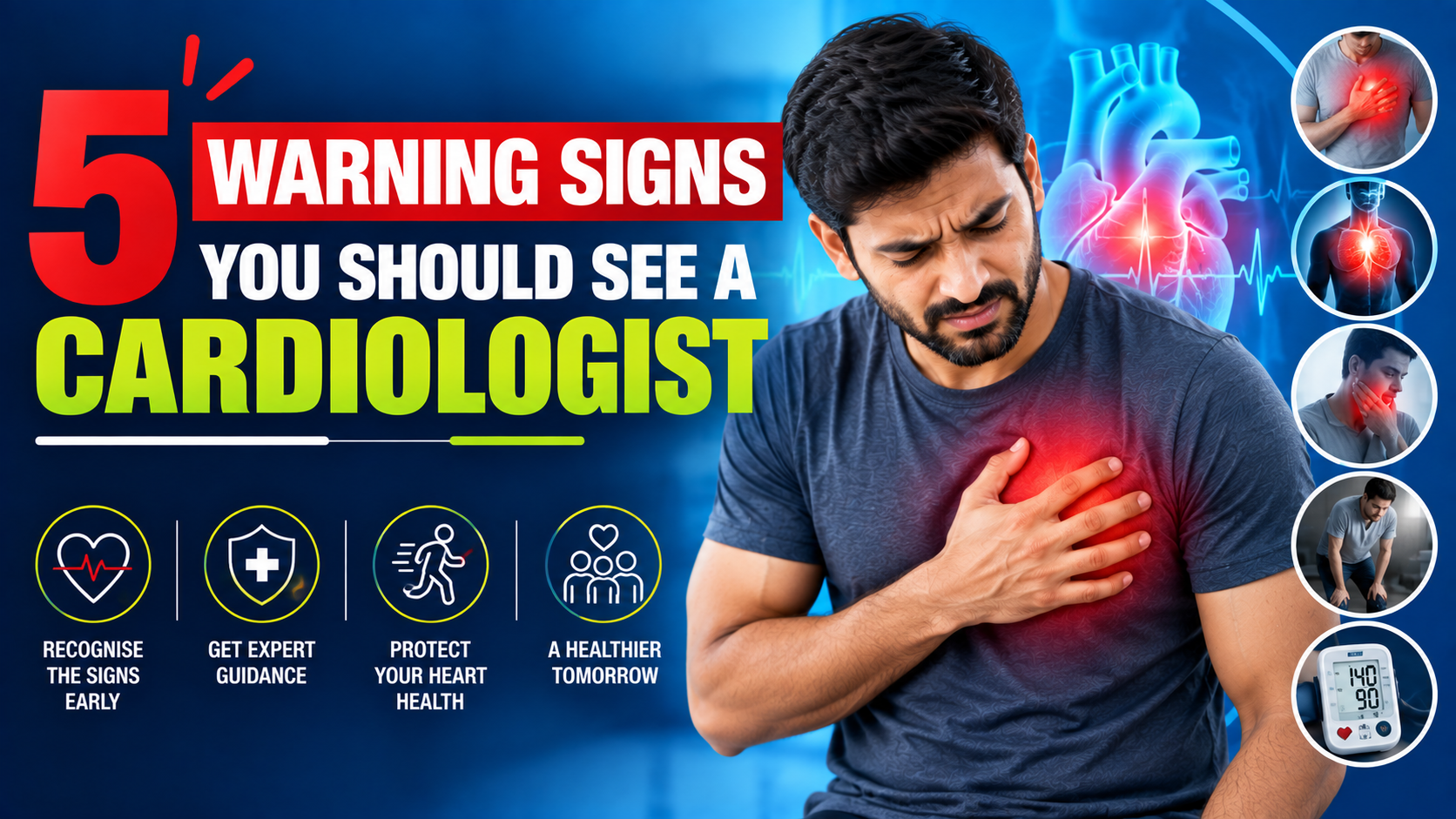
5 Warning Signs You Should See a Cardiologist, Not Just Rest
Fatigue, breathlessness, and occasional chest discomfort are often brushed aside as signs of stress, poor sleep, or simply "getting older." In many cases, that assumption is harmless. But some of these same symptoms are also among the earliest warning signs of underlying heart disease — and dismissing them as ordinary tiredness is one of the most common reasons cardiac conditions go undiagnosed until they become serious.
Unlike a sprained ankle or a headache, heart-related symptoms don't always announce themselves clearly. Recognising when a symptom needs specialist attention, rather than rest, can make a meaningful difference in long-term heart health. Here are five signs that call for a cardiologist's evaluation.
1. Breathlessness During Routine Activities
Feeling breathless after an intense workout is expected. But breathlessness while climbing a single flight of stairs, walking at a normal pace, or performing daily tasks that were previously easy is not. This kind of unexplained breathlessness can indicate that the heart isn't pumping blood as efficiently as it should, and it's one of the most common early symptoms of heart conditions that gets attributed to "being unfit" or "getting older."
If breathlessness has become noticeably worse over weeks or months without a clear cause such as recent illness, it warrants a cardiac evaluation.
2. Chest Discomfort That Isn't Clearly Digestive
Chest discomfort is often assumed to be acidity or gas, especially after meals. However, discomfort that occurs with exertion, radiates to the arm, jaw, or back, or is accompanied by sweating and nausea is a different pattern altogether — one that should never be self-managed with antacids alone. Even mild, recurring chest tightness that doesn't clearly match a digestive pattern deserves proper evaluation rather than repeated at-home guessing.
The overlap between cardiac and digestive symptoms is precisely why self-diagnosis in this area carries real risk.
3. Unusual Fatigue That Doesn't Improve With Rest
Everyone feels tired occasionally, and a good night's sleep usually resolves it. Fatigue that persists despite adequate rest, or that comes on unusually quickly during normal activity, can be a sign that the heart is working harder than it should to circulate blood — often before other, more obvious symptoms appear. This is particularly relevant for people with risk factors such as diabetes, high blood pressure, or a family history of heart disease.
4. Irregular, Racing, or Skipped Heartbeats
Occasionally noticing your heart "skip a beat" is usually harmless. However, heartbeats that feel persistently irregular, unusually fast even at rest, or accompanied by dizziness or lightheadedness should not be ignored. These sensations, known as palpitations, can sometimes indicate an underlying rhythm disorder that requires monitoring and, in some cases, treatment to prevent complications.
5. Swelling in the Legs, Ankles, or Feet
Mild swelling after a long day of standing or sitting is common and usually resolves overnight. Persistent swelling in the lower legs, ankles, or feet — especially when it doesn't fully go down by morning or is accompanied by breathlessness — can indicate that the heart isn't circulating fluid effectively. This symptom is frequently overlooked because it's mistakenly attributed to standing too long, poor circulation, or minor water retention.
Why Risk Factors Make Early Evaluation More Important
The five signs above deserve closer attention for anyone with existing risk factors, including:
- High blood pressure or high cholesterol
- Diabetes
- A family history of heart disease
- Smoking or a sedentary lifestyle
- Obesity
For individuals in these groups, even mild or infrequent versions of the symptoms above are worth discussing with a cardiologist rather than waiting for them to become more pronounced.
Why Seeing a Cardiologist Early Matters
A cardiologist can assess these symptoms through a combination of physical examination, ECG, echocardiogram, or other targeted tests, depending on what the presentation suggests. Early evaluation often allows heart conditions to be managed with lifestyle changes and medication, avoiding the need for more intensive intervention later. Waiting until symptoms become severe or constant significantly narrows the range of available treatment options.
When to Book a Consultation
If you're experiencing unexplained breathlessness, ambiguous chest discomfort, persistent fatigue, irregular heartbeats, or unexplained swelling, it's worth having these evaluated rather than assuming the cause. Residents of Dwarka and the surrounding Delhi NCR area can consult an experienced cardiologist in Dwarka to get a proper cardiac assessment and determine whether further testing or treatment is needed.
Frequently Asked Questions
Q: Is chest pain always a sign of a heart problem? No, chest pain is often caused by digestive issues, muscle strain, or anxiety. However, because cardiac and non-cardiac chest pain can feel similar, it's safer to have persistent or exertion-related chest discomfort evaluated by a doctor rather than assuming it's non-cardiac.
Q: At what age should routine heart check-ups begin? General guidance suggests starting basic cardiovascular risk screening around age 30 to 35, or earlier for those with risk factors like family history, diabetes, or high blood pressure.
Q: Can heart disease exist without any obvious symptoms? Yes, some heart conditions progress silently for years before symptoms appear, which is why routine risk-factor screening is recommended even for people who feel generally well.
References:
- World Health Organization – Cardiovascular diseases fact sheet
- Indian Council of Medical Research (ICMR) – Guidelines on cardiovascular risk assessment
- American Heart Association (AHA) – Patient education on warning signs of heart disease
Disclaimer: This article is for general informational purposes only and does not replace professional medical advice, diagnosis, or treatment. If you experience chest pain, breathlessness, or other concerning symptoms, seek medical attention promptly.
