What Is Botox Hair Treatment and Does It Actually Work
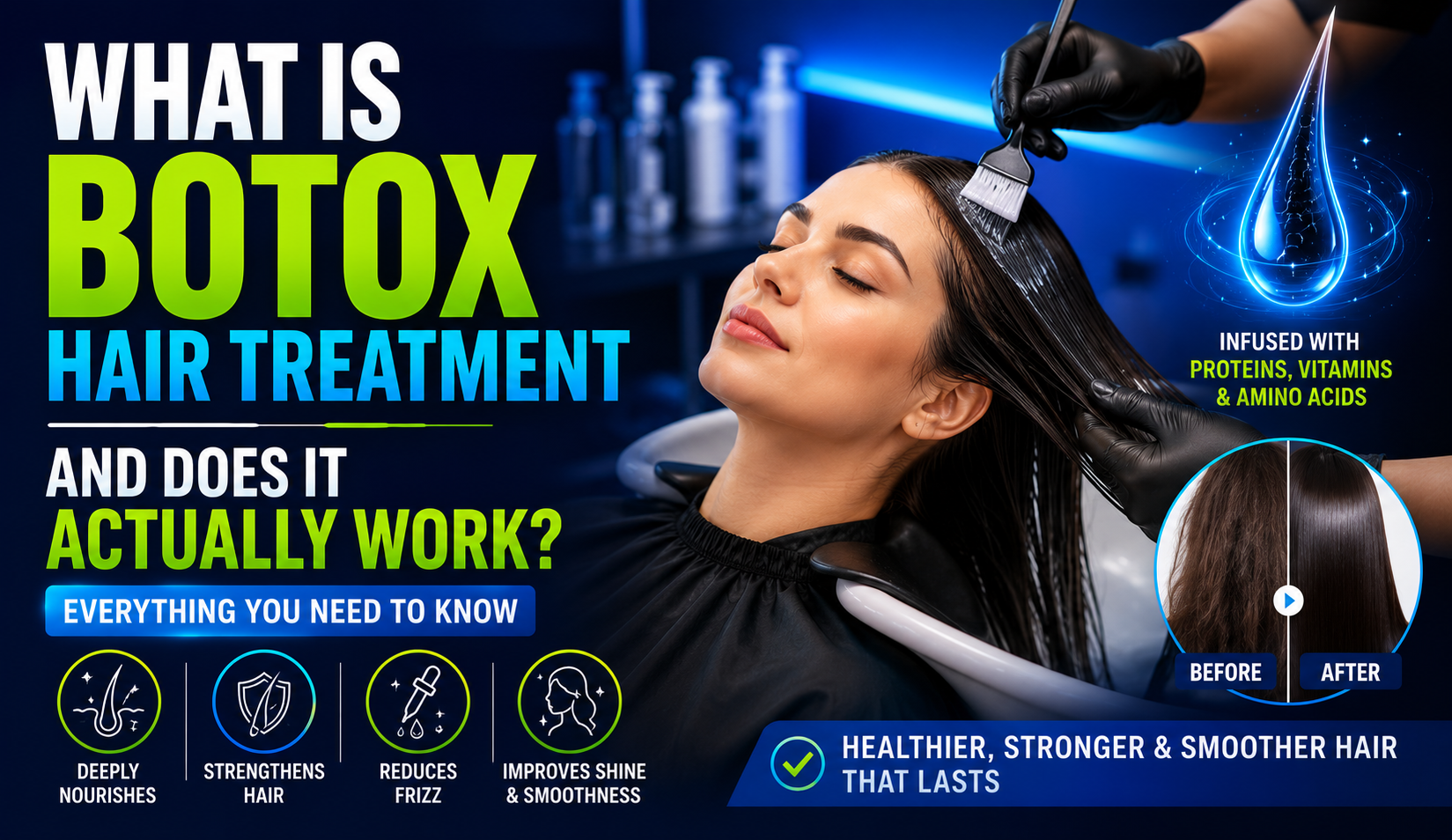
The name throws people off. You hear botox and your brain goes straight to needles and frozen foreheads. This has nothing to do with any of that. Botox hair treatment is a deep conditioning procedure that fills in gaps and damage inside each strand of hair. No injections. No chemicals that change your curl pattern. Just a thick treatment applied to your hair and sealed in with heat.
It has been around for a while but it started getting mainstream attention when women began noticing that salon smoothing treatments were too harsh and left their hair weaker than before. This option sits in a different category entirely. The goal is not to change your hair. The goal is to bring it back to what it was before heat damage or chemical processing or just time wore it down.
This guide covers everything you need to know before you book a session or buy a kit.
Why People Started Calling It Botox for Hair
The name is pure marketing. Whoever came up with it was clever because it landed. Just like the cosmetic injection fills lines and plumps skin botox hair treatment fills the cortex of the hair shaft and plumps each strand from the inside. That is where the comparison starts and ends.
The actual ingredients are a mix of proteins amino acids collagen hydrolysates and vitamins. Different brands use slightly different formulations but the core idea is the same across all of them. You are packing nutrients and structural proteins into hair that has become porous and brittle over time.
Porous hair is what happens when the outer cuticle layer lifts and stays lifted. Heat tools do it. Bleach does it. Sun exposure does it. Once your cuticle is open your hair loses moisture as fast as you put it in and it starts to look dull frizzy and rough to the touch. This treatment aims to close that down.
What Happens During a Session
Whether you go to a salon or do it at home the process follows the same basic steps.
Wash and prep. Your hair gets shampooed with a clarifying shampoo first. This strips away any product buildup so the treatment can actually penetrate instead of sitting on top of a film of dry shampoo and old serum.
Application. The stylist or you work the product through your hair in sections. It is thick and creamy. It goes on the mid lengths and ends first and then the roots. Every strand needs to be coated evenly.
Processing time. You leave it on anywhere from 30 minutes to 90 minutes depending on the product and how damaged your hair is. Some treatments call for heat during this phase. A plastic cap or gentle heat from a hooded dryer helps open the cuticle slightly so the proteins can get in deeper.
Heat sealing. A flat iron goes over the hair at around 180 to 230 degrees Celsius in small sections. This seals the treatment into the cortex. The heat locks everything in place. This is the step that creates that smooth silky result you see in before and afters.
Final rinse. Some formulas get rinsed out at the end. Others are leave-in. Check your product instructions here because getting this wrong means you either wash the results away or leave residue that weighs hair down.
Who Actually Benefits From It
Not everyone needs this treatment. If your hair is naturally healthy and you have never had chemical services or put heat on it regularly you probably will not notice much. The treatment works on hair that has already been compromised.
The people who see the most dramatic results tend to fall into a few categories.
Bleached or colour-treated hair. Chemical processing lifts the cuticle aggressively. Bleach in particular can leave hair feeling like straw. The protein infusion from botox hair treatment helps restore some of the structural integrity that bleach breaks down.
Heat-damaged hair. Years of daily flat ironing or blow drying without heat protection adds up. The damage is cumulative. A treatment like this can make a significant difference in texture even if it does not reverse the damage permanently.
Dry brittle hair from hard water or climate. Hard water deposits minerals on the hair over time and dry climates strip moisture faster than your scalp can replace it. The conditioning effect helps here.
Postpartum hair. Many women notice their hair texture changes after pregnancy. Hormone shifts affect the structure of each strand. A deep protein treatment can help stabilise things while your hair adjusts.
How It Compares to Other Smoothing Treatments
This comes up constantly and the confusion makes sense because the salon industry loves vague naming.
Brazilian blowout and keratin smoothing. These treatments use formaldehyde or formaldehyde-releasing chemicals to break and reform your hair's bonds. They change the texture of your hair on a structural level. Botox hair treatment does not alter your bonds at all. It is additive not restructuring.
Japanese straightening. Permanently changes curl pattern by restructuring disulfide bonds. Results last until the hair grows out. Botox hair treatment is temporary and does not permanently straighten anything.
Deep conditioning masks. Similar concept but much less concentrated. A good hair mask sits mostly on the surface of the cuticle. A botox treatment is designed to penetrate deeper and the heat sealing step is what separates the two in terms of lasting effect.
How Long Does It Last
Most treatments last between 6 and 12 weeks. Where you land in that range depends on a few things.
How often you wash your hair. Water is the main thing that breaks down the treatment over time. If you wash daily expect closer to 6 weeks. If you wash two or three times a week it will stretch closer to 10 or 12.
Sulphate shampoos. These strip hair aggressively. If you want your results to last switch to a sulphate-free shampoo after treatment.
Heat use after treatment. Daily heat styling will shorten how long you hold onto the results. Let your hair air dry when you can and use a heat protectant when you do style.
The condition of your hair beforehand. Very damaged hair absorbs results more intensely but also loses them faster because the cuticle is more open. You may need to do treatments more often at first and then space them out as your hair improves.
Salon vs At-Home: Which One Should You Choose
You can do this yourself. The at-home kits have gotten genuinely good in the last few years. But there are honest trade-offs.
A salon stylist applies the product evenly using professional tools. They know how long to process based on your specific hair type. The flat iron sealing step gets done properly because they have done it dozens of times. If you have heavily processed hair or you are not confident with a flat iron the salon is worth the extra cost.
At-home kits work well for maintenance between salon sessions or for people with moderately damaged hair who are comfortable with heat styling. Read the instructions properly. The most common mistake people make at home is applying too much product and then not rinsing thoroughly which leaves hair greasy and flat.
Cost difference: salon botox hair treatment typically runs between 80 and 250 depending on your location and hair length. At-home kits run between 20 and 60. If you are doing it every 8 weeks the savings from going the DIY route add up quickly.
What to Watch Out For
This treatment is generally low risk but there are a few things worth knowing before you spend money on it.
Protein overload. Too much protein too often can make hair stiff and brittle rather than soft and strong. If your hair already has good protein levels and you use protein-rich products regularly you can overdo it. Signs of protein overload include straw-like texture and increased breakage.
Not suitable for all hair types. Very fine hair can end up weighed down and limp. People with low-porosity hair may not absorb the treatment as well because their cuticles are already tight. If your hair feels good and healthy this treatment may do more harm than good.
Check the ingredient list. Some products marketed as botox hair treatment still contain formaldehyde or similar chemicals. If you are doing this at home read the label. Look for clean protein-based formulas without harsh fixatives.
Skin sensitivity. If you have scalp sensitivity test a small amount before applying everything. Some formulas contain ingredients that can irritate sensitive skin during the heat sealing step.
What to Expect After Your First Treatment
Most people notice results immediately. The same day your hair will feel smoother and look shinier. Frizz gets significantly reduced. If your hair was rough to the touch before it should feel noticeably softer.
The full results set in over the first two to three days as the treatment continues to bond with your hair structure. Avoid washing for at least 48 hours after your session if possible.
Over the following weeks you will notice that your hair responds better to styling. It dries faster because the cuticle is lying flat and not absorbing excess moisture. Heat tools work more effectively. Your colour if you have it will look more vibrant because the light is reflecting off a smoother surface.
The results fade gradually rather than all at once. About 8 weeks in you will start to notice more frizz returning and texture changing. That is the right time to book your next session or reach for your at-home kit.
Conclusion
Botox hair treatment is one of the more practical options available for damaged hair right now. It does not promise permanent results and it does not permanently alter your hair. What it does is give your hair a genuine reset. Better texture. Less frizz. More shine. More moisture retention.
If your hair has been through bleach heat or just years of wear it is worth trying at least once. Most people who do it once end up adding it to their regular routine.
Start in the salon if you are unsure. See the results first hand. Then decide if maintaining it at home makes sense for your budget and lifestyle.
Discussion
0 Comments
Leave a Comment
Your email address will not be published. Newsletter subscribers are auto-approved; others are moderated for safety.
Author ProfileView Portfolio

Acroplus Health
Medical Content Specialist“
Medical Content Specialist with expertise in creating accurate, evidence-based, and engaging healthcare content. Skilled in translating complex medical concepts into reader-friendly articles, blogs, and educational resources for patients, healthcare professionals, hospitals, and medical organizations. Passionate about delivering trustworthy information that enhances health awareness and patient education.

